The Secret of Sous-Vide: My Kitchen’s Quiet Revolution
I spent weeks terrified of water baths, but sous-vide changed everything. It's about precision, patience, and a shockingly simple way to transform ordinary ingredients into something extraordinary.
The Secret of Sous-Vide: My Kitchen’s Quiet Revolution
Okay, let’s be honest. For the first six months of 1YearChef, I was all about the big, dramatic techniques. Searing a steak? Check. Making a complicated reduction sauce? You bet. I thought that’s where the magic was—loud, intense heat, visible transformations. I was, frankly, a bit of a showman. Then, about three months ago, my friend Liam introduced me to sous-vide. And let me tell you, it was like a quiet revolution in my kitchen.
I’ll admit, my initial reaction was, well, skepticism. A water bath? A temperature-controlled container? It felt…clinical. My partner, Ben, thought I’d lost my mind. He’s a guy who believes in a good, screaming pan and a lot of butter. The idea of gently cooking meat in water, precisely for hours, seemed utterly bizarre. I burned three batches of chicken breasts before I even considered buying a machine. Seriously, charred, rubbery disasters. I was ready to write it off as a fancy, over-complicated gimmick.
Then, I did some research. I learned about the science – collagen breakdown, even cellular structure. I started reading about chefs who’d been using it for years, talking about unbelievably tender steaks and perfectly cooked fish. It wasn’t just a technique; it was a way to *understand* food. It sounded...almost meditative.
I invested in a basic immersion circulator – the Anova – and a couple of vacuum seal bags. The vacuum sealing process itself was a little nerve-wracking at first, wrestling with the pump and trying to avoid creating a million tiny leaks. But once I got the hang of it, it felt oddly satisfying. It’s like you're encapsulating the flavor, locking it in before the heat even touches the food.
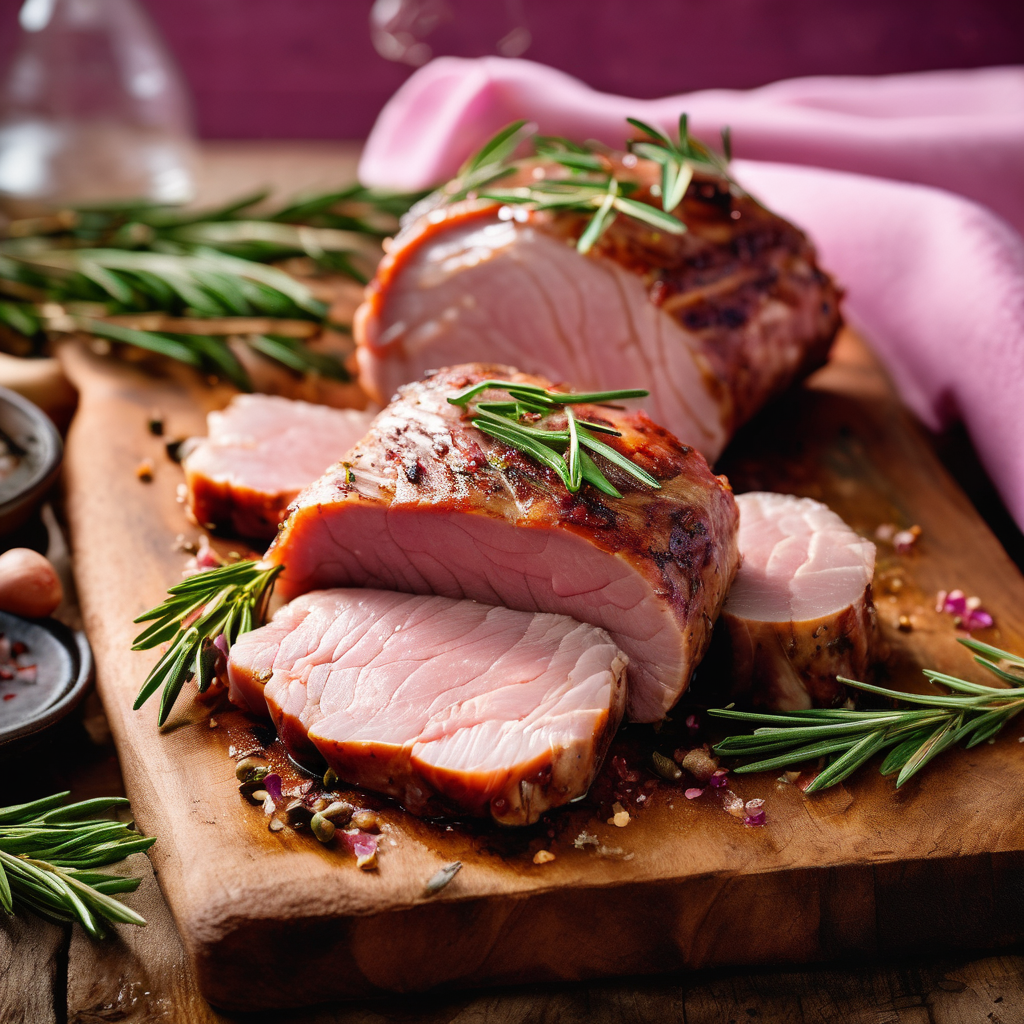
My first successful sous-vide experiment was a simple pork tenderloin. I set the temperature to 135°F (57°C) for 1.5 hours. The instructions were clear, but still, I was nervous. When I pulled it out, the exterior was a beautiful, pale pink, and the interior was uniformly cooked—no gray band of overcooked meat! Ben, ever the skeptic, tried it and declared it “the best pork I’ve ever had.” He was genuinely surprised, and I felt a tiny surge of competitive pride. It wasn’t a dramatic sizzle; it was a quiet, confident perfection.
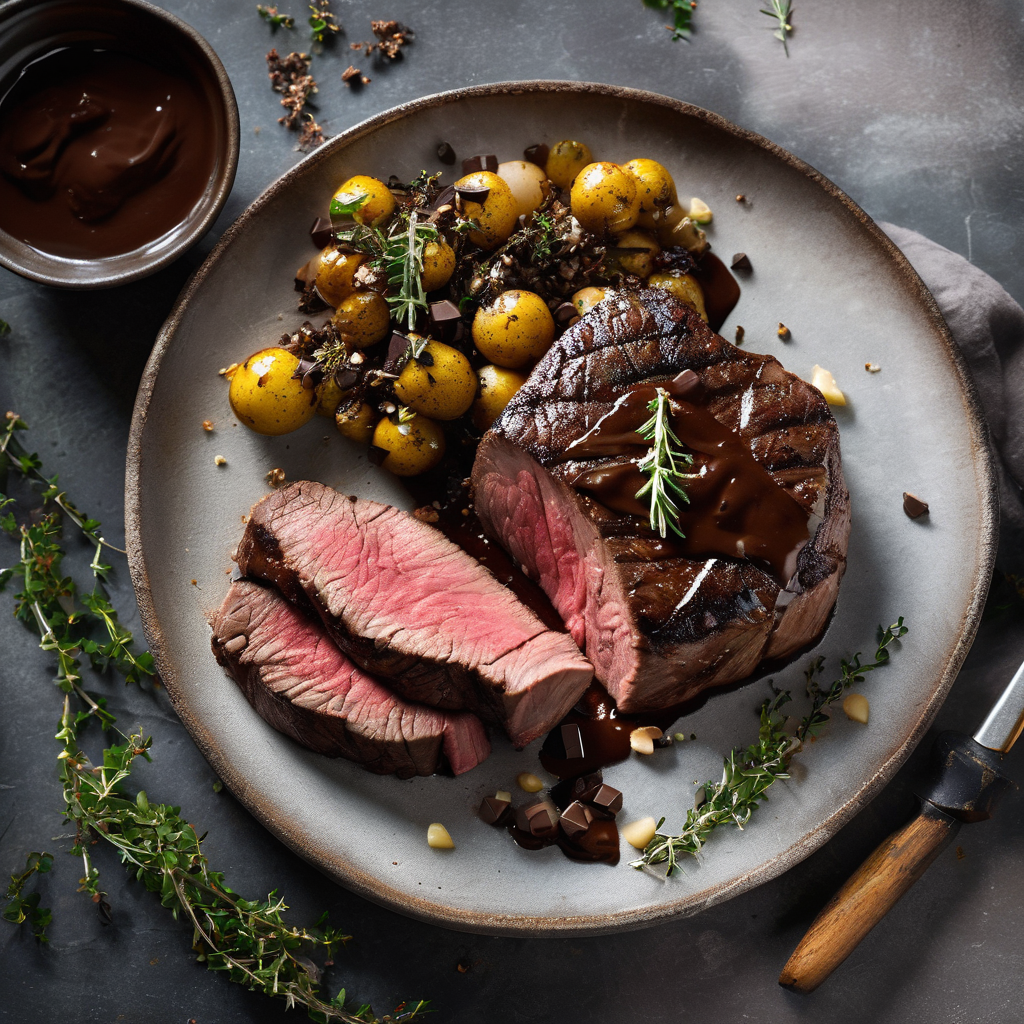
It’s not a magic bullet, of course. You still need to sear the meat afterwards to develop a nice crust – that screaming pan and butter come back into play. But the sous-vide part…that's where the real difference lies. It gives you this incredible level of control. You can cook a steak to exactly the level of doneness you desire, every single time. I’ve experimented with everything – salmon, short ribs, even eggs (perfectly runny yolks, every. single. time!).
I'm still learning, definitely. I'm playing with different times and temperatures, trying to understand how different cuts of meat respond. I'm even starting to experiment with vegetables – carrots, potatoes, asparagus – cooked to tender perfection.
It’s shifted my entire approach to cooking. It's taught me patience, precision, and that sometimes, the most impactful transformations happen in the quietest of environments. It's not about flashy techniques; it’s about mastering the fundamentals, and understanding the potential within every ingredient.
Honestly, if you're intimidated by cooking, or if you feel like you're constantly fighting with heat and achieving inconsistent results, I urge you to give sous-vide a try. It’s a surprisingly accessible, incredibly rewarding technique. Just don’t tell Ben I said that.