Embracing the Maillard – My Dark Chocolate Revelation
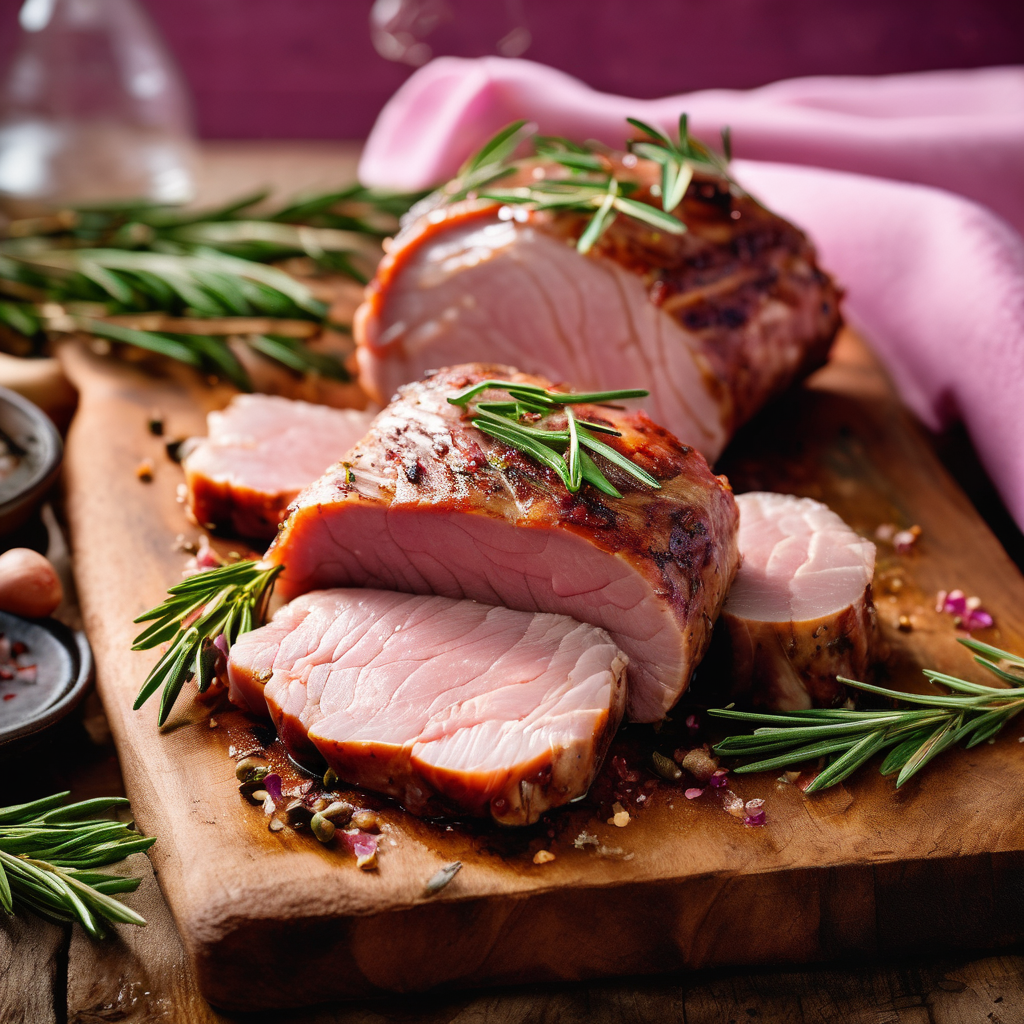
I spent months chasing perfect roasts, only to realize the secret wasn't the meat itself, but the magic of the Maillard reaction. It completely changed how I approach searing and browning.
Embracing the Maillard – My Dark Chocolate Revelation
Okay, you guys know I’m a recovering perfectionist when it comes to cooking. Seriously, I used to spend hours researching the ideal internal temperature of a chicken breast, agonizing over the perfect sear. It was exhausting. Then, about six months into this whole 1YearChef thing, something shifted. It started with a dark chocolate skillet, and honestly, it was a little embarrassing.
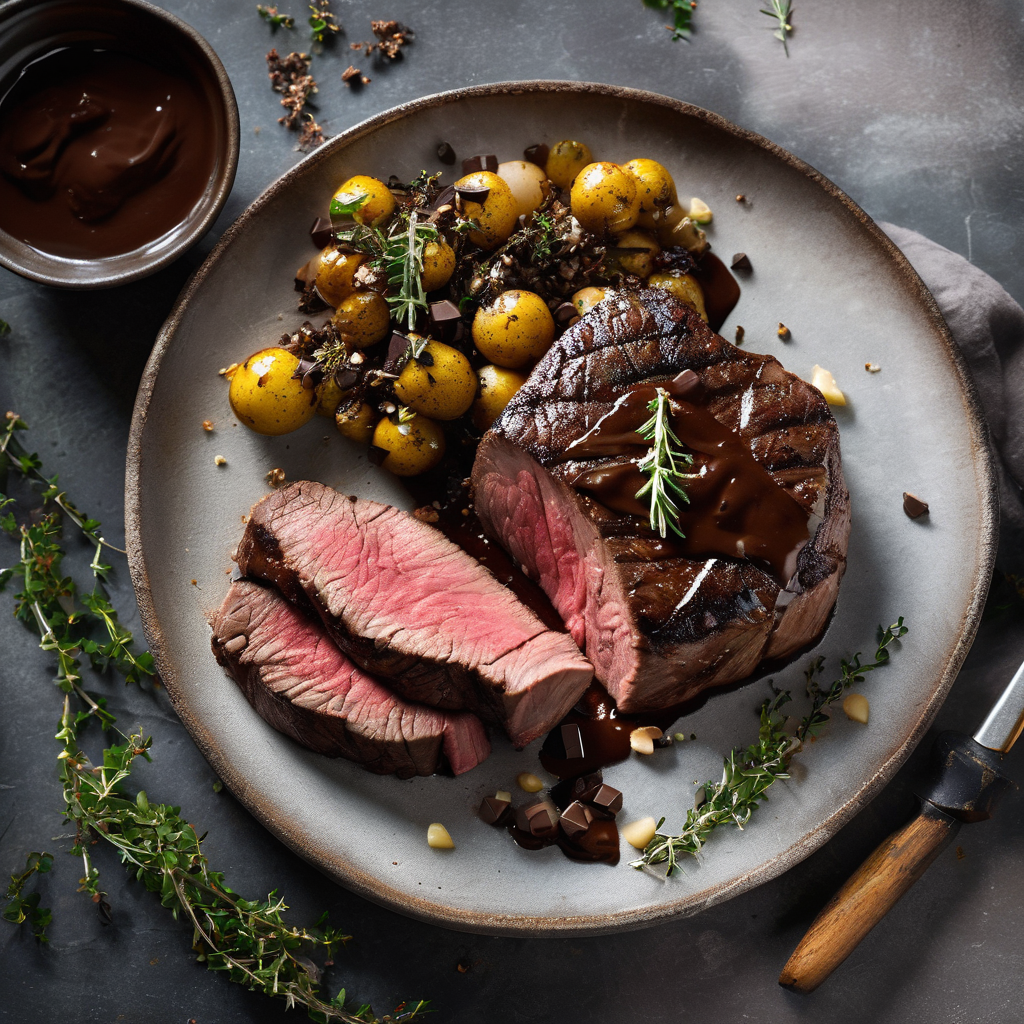
It was a Tuesday night, I’d planned a simple pan-seared steak with roasted asparagus. I was feeling confident, chopping vegetables with a reasonable amount of precision, and generally, things were going okay. I got the steak out of the fridge, patted it dry – *crucial*, I’d learned – and got ready to build a decent heat in my cast iron. I added some butter, a little thyme, and started to sear. The first few minutes were… fine. It was browning, sure, but not *really* browning. It was just… brown. I was getting frustrated, wanting that deep, rich color that you see in restaurant photos. I started frantically flipping the steak, trying to get even more surface area exposed to the heat. It just kept getting darker, but it wasn’t the *beautiful* dark. It was almost black, and honestly, the aroma was… intense. My partner, Liam, walked in, took one look, and said, "Are you trying to char a marshmallow?"
I was mortified. I was completely missing the point. I’d been so focused on speed and achieving a specific look, I hadn't understood the science behind it. That’s when I stumbled across the Maillard reaction. Basically, it’s a chemical reaction between amino acids and reducing sugars that happens when food is heated—it's what creates all those amazing browned flavors and aromas. It’s what gives you that crust on your bread, the color and flavor of roasted meats, and honestly, the magic in dark chocolate.
I’d been so obsessed with high heat that I’d been fighting the Maillard reaction, not embracing it. The key, I realized, wasn’t blasting the steak with intense heat, but gently building it up over time. It was about allowing the sugars and proteins to react slowly, developing complex flavors. I’d burned three batches of cookies before I figured this out (don’t ask).
So, I started experimenting. I reduced the heat slightly, let the butter melt and infuse the steak, then I let it sit undisturbed for a few minutes, building up that initial color. I even added a touch of sugar to the butter – a tiny pinch, mind you – just to nudge the reaction along. The change was incredible. The steak developed a deep, mahogany color, and the aroma… it was intoxicating. It wasn’t burnt; it was *flavor*. It was the difference between a good sear and a truly phenomenal one.
Now, I still mess up sometimes. I get caught up in the desire to *immediately* achieve perfection. But I’m learning to trust the process, to let the Maillard reaction do its thing, and to appreciate the subtle nuances of flavor that develop as it happens. It’s a reminder that cooking isn't about rigid rules, but about understanding the underlying principles and being willing to experiment. And, honestly, it made me feel a whole lot less like a stressed-out, perfectionist cook and more like someone who’s actually enjoying the process.
Liam still occasionally raises an eyebrow, but he’s come to appreciate the dark chocolate revelation, too.